
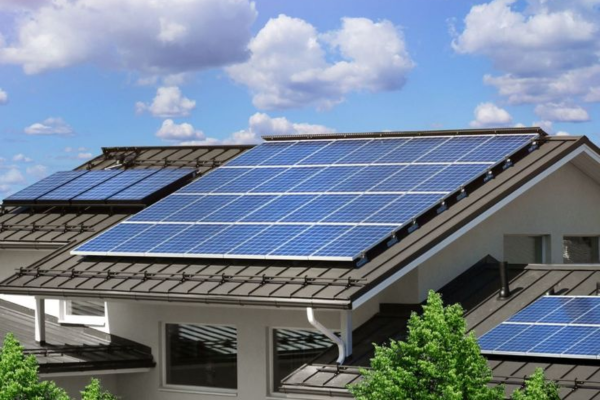
With rising electricity costs and growing awareness about renewable energy, many homeowners in India are considering switching to solar power. But before making the investment, an important question arises: Is your home suitable for solar panels? Understanding a few key factors can help you make the right decision and maximize your return on investment.
The first and most important factor is roof condition and space. Solar panels require a strong, durable roof that can support their weight for 20–25 years. Ideally, your roof should be in good condition without major repairs needed in the near future. Additionally, you need sufficient open space to install panels. A typical home solar system may require around 100–300 square feet, depending on your energy needs.
Next comes sunlight availability. Solar panels generate electricity by capturing sunlight, so your home should receive ample direct sunlight throughout the day. In India, south-facing roofs are considered ideal because they get maximum sun exposure. However, east- and west-facing roofs can also work efficiently. Make sure there are minimal obstructions like trees, nearby buildings, or water tanks that may cast shadows on your roof.
Another crucial factor is your electricity consumption. Before installing solar panels, you should analyze your monthly electricity bill. This helps determine the size of the solar system you need. Homes with higher electricity usage benefit the most, as they can significantly reduce their power bills and recover the installation cost faster.
Location and climate also play a role in solar efficiency. Fortunately, most regions in India receive abundant sunlight throughout the year, making solar a viable option almost everywhere. Even during cloudy or rainy seasons, solar panels can still generate some electricity, though at reduced efficiency.
You should also consider the type of solar system that suits your needs. There are three main types: on-grid, off-grid, and hybrid systems. On-grid systems are connected to the electricity grid and are the most cost-effective for urban homes. Off-grid systems are ideal for remote areas without reliable electricity supply. Hybrid systems offer the benefits of both, including battery backup.
Government subsidies and policies can make solar installation more affordable. In India, various state and central government schemes offer financial assistance for residential solar systems. Taking advantage of these subsidies can significantly reduce your upfront cost and improve your return on investment.
Lastly, it’s important to consult a professional solar installer. An expert can assess your home’s structure, energy needs, and sunlight exposure to recommend the best solution. They can also help with system design, installation, and maintenance.
In conclusion, most homes in India are suitable for solar panel installation, provided they have adequate roof space, good sunlight exposure, and stable structures. By evaluating these factors carefully, you can make an informed decision and take a step toward clean, sustainable, and cost-effective energy.